
The college mental health landscape has evolved significantly in recent years, revealing both improvements and persistent challenges. Initially seen as a pandemic-related spike, campus mental health concerns have become a sustained reality,with nearly 60% of college students reporting experience with overwhelming anxiety or depression during their academic careers.1 With this growth, traditional counseling services struggle to meet the demand.
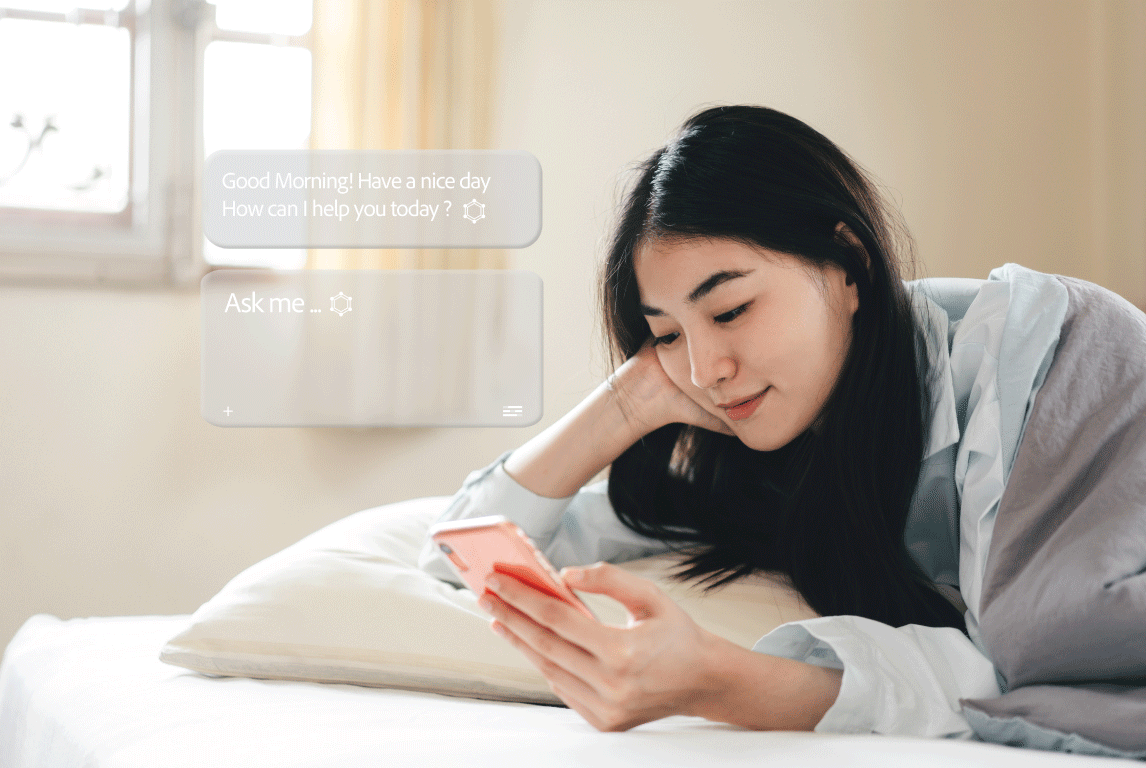
To help close this gap, some college health professionals are looking to try safe AI technologies as complementary tools to expand student mental health resources. These features, which range from 24/7 AI chatbots to sophisticated early warning systems, could offer immediate assistance when human counselors aren’t available. Though not replacements for human therapists, campus leaders are wondering if AI solutions could help create a safety net for student mental health.2
Understanding the college mental health crisis in 2026
Despite slight improvements since the peak of the pandemic, the rate of mental health problems remains alarmingly high — 37% of students reported moderate-to-severe depressive symptoms, and 32% experiencing moderate-to-severe anxiety.3
More than six in 10 students (65%) indicated some level of agreement that they needed help in the past year for emotional or mental problems, with 34% of students screening positive for anxiety and 38% of students screening positive for depression.3
These mental health issues directly impact academic performance — students report emotional and mental difficulties, which in turn impacts their academic performance significantly. College campuses also continue to battle an epidemic of loneliness, with about half (49%) of students reporting that they had felt lonely.4
Barriers to traditional campus counseling services
Many campus counseling centers are facing demands that outpace their capacity to provide timely care, and similarly, students are facing barriers that prevent them from seeking help in the first place. Oftentimes, these obstacles include:
- Long wait times: Many students face week-long waits for appointments.5
- Resource limitations: A nationwide case overload has strained available resources, including mental health counselors, limiting the ability to provide adequate support.3
- Practical constraints: Students report lack of time (30%), financial concerns (22%), and preference to handle issues independently (38%) as major barriers.3
- Persistent stigma: Many students avoid seeking help due to fear of judgment.5
Even at institutions that have substantially increased mental health resources, the demand continues to exceed capacity. As one university counselor noted, “Our counseling staff has almost tripled in size, but even if we continue hiring, I don’t think we could ever staff our way out of this challenge.”1
AI as a mental health tool
As a result of these persisting challenges, colleges are increasingly turning to AI technologies to supplement traditional mental health support.2 Some studies have demonstrated that AI tools can effectively scan large datasets to detect students at risk of developing mental health concerns. For example, researchers at the University of Alabama at Birmingham are developing AI tools that analyze demographic and academic factors to flag struggling students, connecting them with counselors to develop preventive care. 2,3,4,7
Several universities have partnered with digital tools like Wayhaven, which provides mental well-being support through AI coaches that adapt to each student’s unique needs. Clinical trials demonstrate Wayhaven’s effectiveness, with students experiencing significant decreases in depression and anxiety symptoms while reporting increased self-efficacy.3
Privacy, safety, and data
When it comes to protecting students, it is important to note that most AI mental health platforms fall outside HIPAA regulations, creating potential privacy vulnerabilities. Before sharing personal information, students should be educated about important privacy tips, be informed of AI limitations, and be aware of red flags, such as unhelpful advice, bias, or to recognize emergencies.3 Learn more about the important privacy and security measures when using AI as healthcare tools.
Looking forward
As these AI continue to be used in mental health, both students and institutions should remain thoughtful in their approach to these tools, recognizing their potential while acknowledging their limitations.
While the relationship between AI and mental health unfurls in the coming years, it’s important that we strike a balanced approach between technology and human intervention — while AI can address immediate support gaps, the expertise of professional counselors is still crucial to upkeep the balance. Continue to learn more about AI mental and behavioral health resources in our next blog, which focuses on different types of AI solutions that can be leveraged.
Stay up to date with Campus Health 360
Staying informed on the latest research, insight, and trends helps you support campus health and student well-being. To stay up to date, subscribe to the Campus Health 360 newsletter for monthly updates.

References
- Abrams, Z. (2022, October 12). Retrieved from Student mental health is in crisis. Campuses are rethinking their approach.
- Montero, A. (2024, Oct 16). Leveraging AI to Support Student Mental Health and Well-Being – Higher Education Today. https://www.higheredtoday.org/2024/10/16/ai-student-mental-health/
- Eisenberg, D, Ketchen S, et al. (2025, September 9). Retrieved from The Healthy Minds Study: 2024–2025 Data Report.
- American Council on Education. (2025, April). Retrieved from Mental-Health-Higher-Ed-Stats.pdf.
- Booth, B. (2023, May 26). Retrieved from Message from TimelyCare.
- Rider-Milkovitch, H. (2023, July 31). Retrieved from New Data Reveals Need for Mental Well-Being Resources on College Campuses.
- American Physiological Association. (2025, March 12). Retrieved from Artificial intelligence in mental health care.
- American Psychological Association. (2025, November). Retrieved from Health advisory: Use of generative AI chatbots and wellness applications for mental health.
- Heartland Forward. (2025, October 27). Retrieved from New Possibilities: College Campuses Leverage Artificial Intelligence for Mental Health Support – Heartland Forward.
- Reyes-Portillo, J, So, A, McAlister, K, et al. (2025, July 28). Retrieved from Generative AI–Powered Mental Wellness Chatbot for College Student Mental Wellness: Open Trial – PMC.
WFSTU-260298
